Developing a Cyber-Physical Energy System for The Crichton Estate
Developed in partnership with the University of Glasgow, our Cyber-Physical Energy System – known as CPES – is the digital foundation for smarter energy management at The Crichton. This Project started as a Knowledge Exchange Partnership in 2022. Our partnership with the University of Glasgow has continued, and energy engineers and researchers on our team continue to support us in using sensor data and help us plan based on the evidence we gather about what works.
In simple terms, CPES connects sensors, meters, communications and digital services. It helps us to: see how buildings are performing, identify unusual or wasteful energy use, test lower-temperature heating to help us prepare for heat pumps, and assess options for future low-carbon systems. We are also exploring how we can use AI to learn normal building behaviour and flag potential problems.
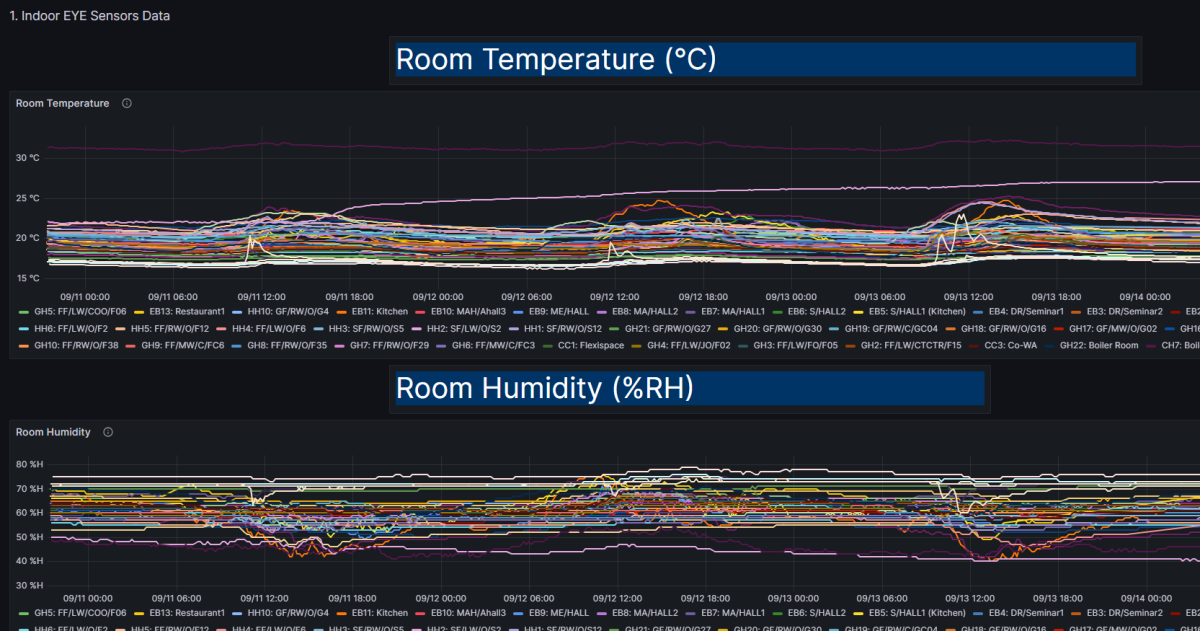

We are currently working with teams in the University of Glasgow’s James Watt School of Engineering to help us understand how we can use the data we are gathering from sensors in some of our buildings to understand how our buildings respond to heat and the outdoor climate, to shape the network, and to identify where improvements in technology and smart controls can help us make our buildings more comfortable during hot and cold spells and use heating more efficiently, but also to help make sure that our heat network is sized correctly and will meet the needs of our tenants, customers and businesses on site.
This evidence-led approach means we can:
• Find and reduce avoidable energy waste;
• Test changes before applying them more widely, using AI modelling and digital twins to help us test options before we make physical changes;
• Protect the comfort of our tenants and the fabric of our buildings;
• Design energy systems around real demand rather than generic assumptions;
• Compare costs (both financial and environmental), benefits and risks before making major investments;
• Track progress and adapt our plans as technology, funding and energy markets change.
This work has already changed how we manage energy. Low-temperature heating trials reduced radiator flow temperatures from 85°C to as low as 50°C when conditions allowed, while maintaining occupant comfort. Based on the buildings studied, the work indicates the potential for an estimated 21% reduction in carbon emissions and energy costs across the estate, equivalent to around £95,000 a year. These are estimates, and we will continue to test, monitor, and verify results as the Project develops.
CPES also provides real-world evidence for the Heat Network, Microgrid, and Solar projects we are developing. It helps us reduce uncertainty, improve designs and direct investment towards measures that offer the strongest practical benefit.
The Project Team




This is a partnership Project with the University of Glasgow