
The Crichton Royal Institution Archive is inscribed onto UNESCO UK Memory of the World Register

The Crichton Royal Institution’s Archive has been inscribed onto the UNESCO Memory of the World Register, it was announced today (Tuesday 9 June) by the United Nations Educational, Scientific and Cultural Organisation (UNESCO).
The Crichton Trust, NHS Dumfries and Galloway and Dumfries and Galloway Council have welcomed the designation, which places the archive among the UK’s most significant documentary collections.
It joins the UNESCO Memory of the World Register alongside items including the Magna Carta, the papers of Winston Churchill and the Declaration of Arbroath.
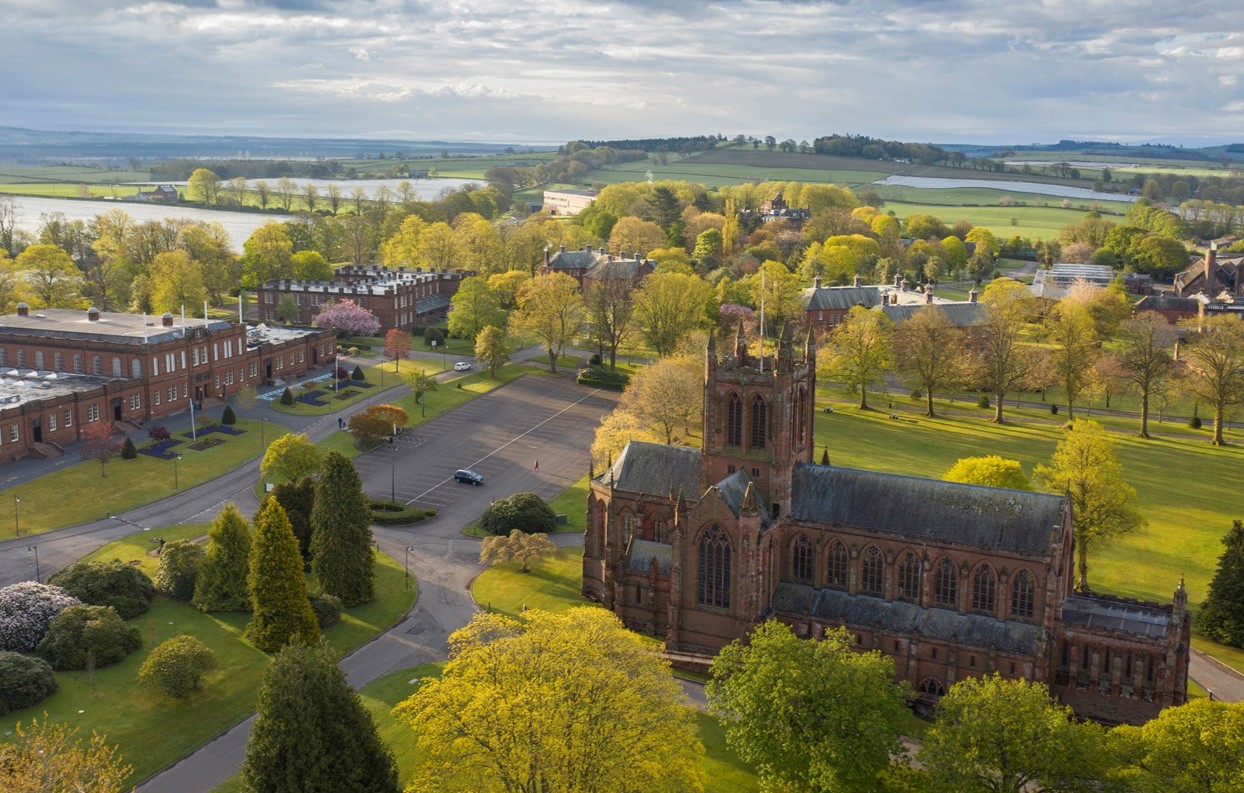
Founded in 1838 by Elizabeth Crichton on the outskirts of Dumfries, Scotland, the Crichton Royal Institution (CRI) was a pioneering psychiatric hospital that served both private and charitable patients. Royal status was conferred in 1840.
The institution’s progressive approach to mental health care for its time – grounded in compassion, creativity and dignity – continues to resonate through the history of mental health care in Scotland and beyond.
The archive submission to UNESCO focused on three exceptional record sets that give unique insights into the lived experiences of the patients and staff in the Victorian asylum. They contain fascinating details of the treatment and care of people often left out of the official records, particularly those experiencing mental illness.
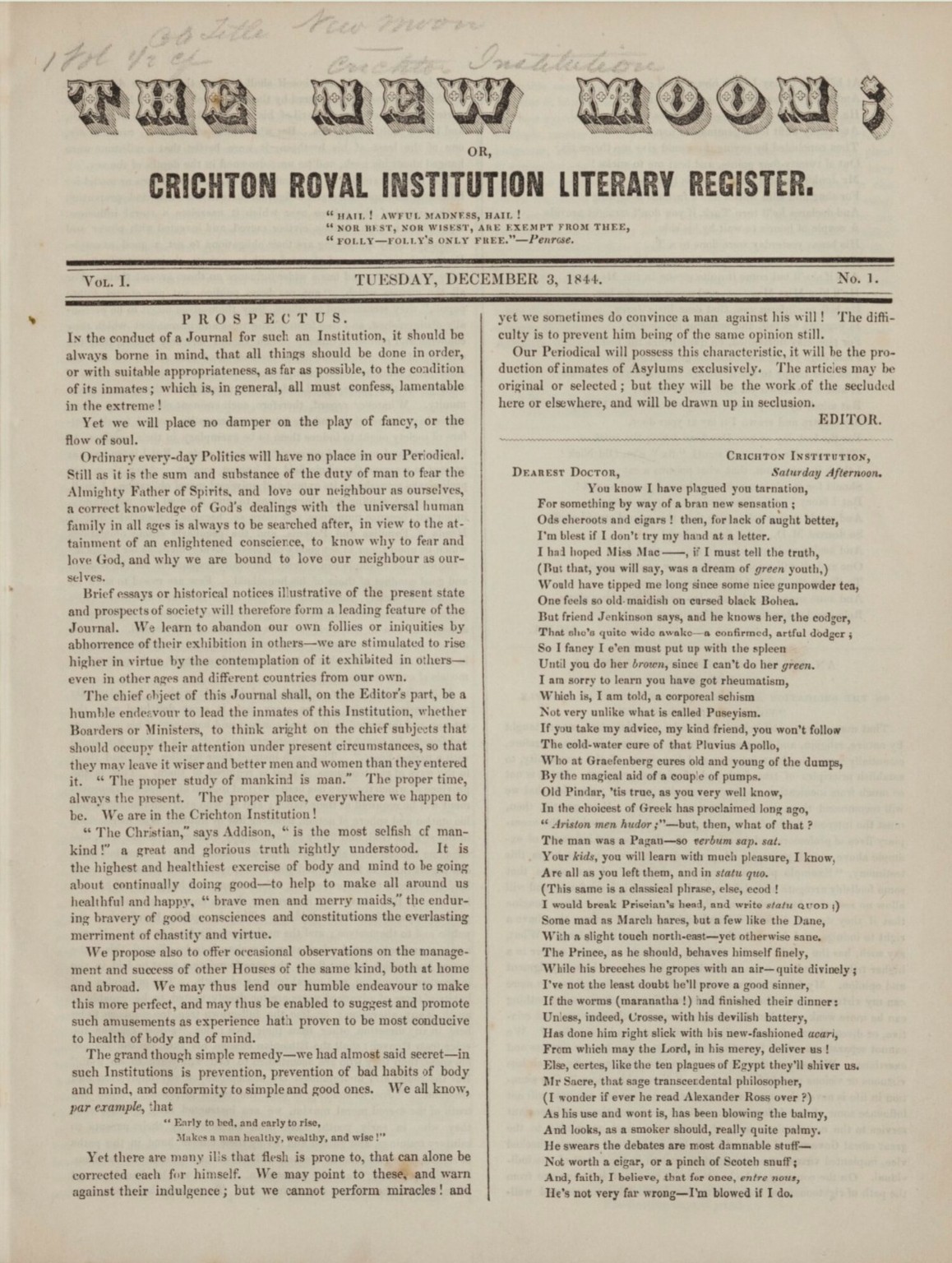
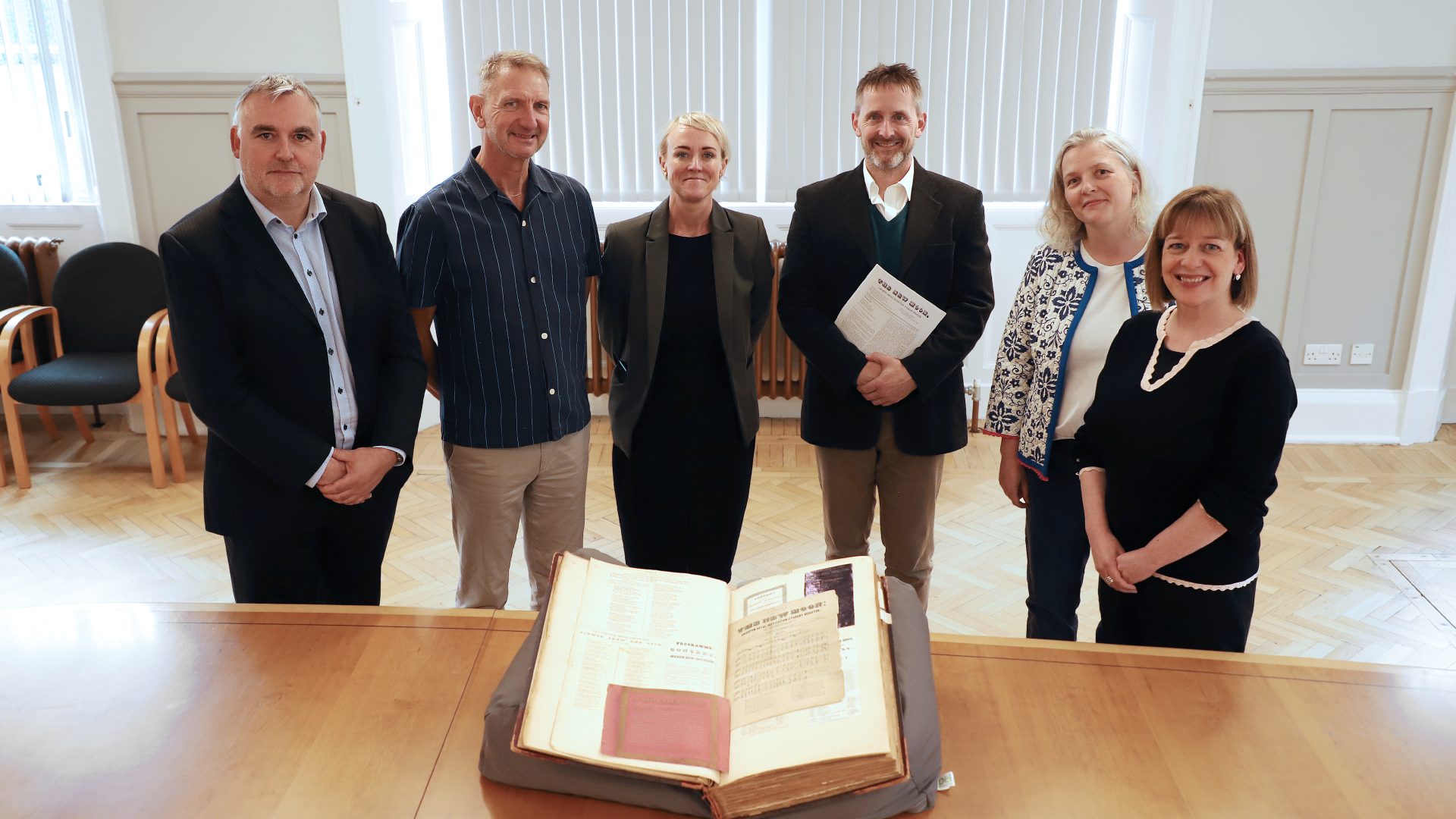
- The New Moon Magazine (1844 onwards) is one of the first and the longest-running asylum magazines in the world written and printed by patients, created to give a platform for “free and undisguised feelings and views”.
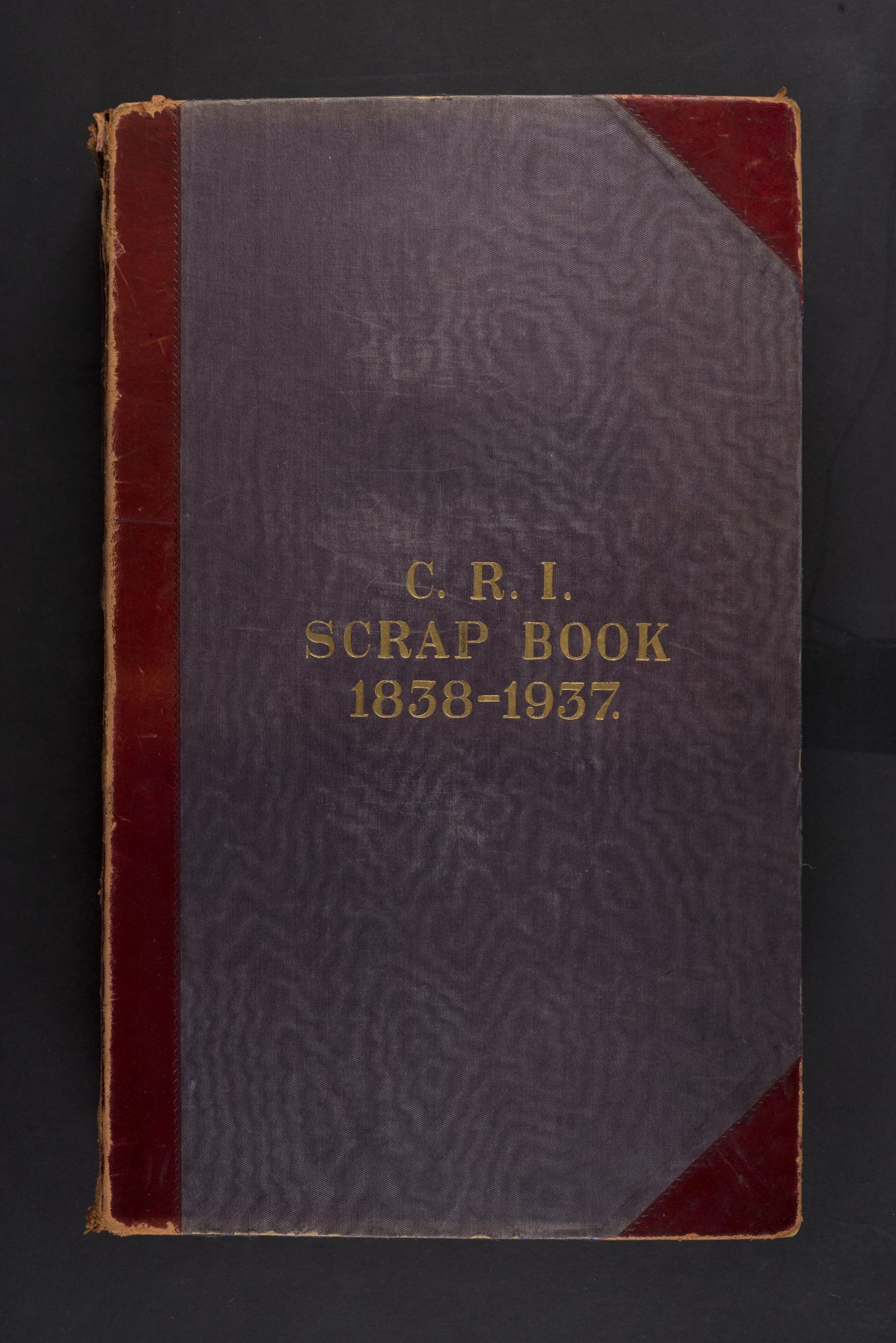
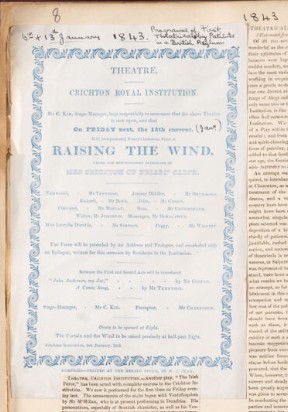
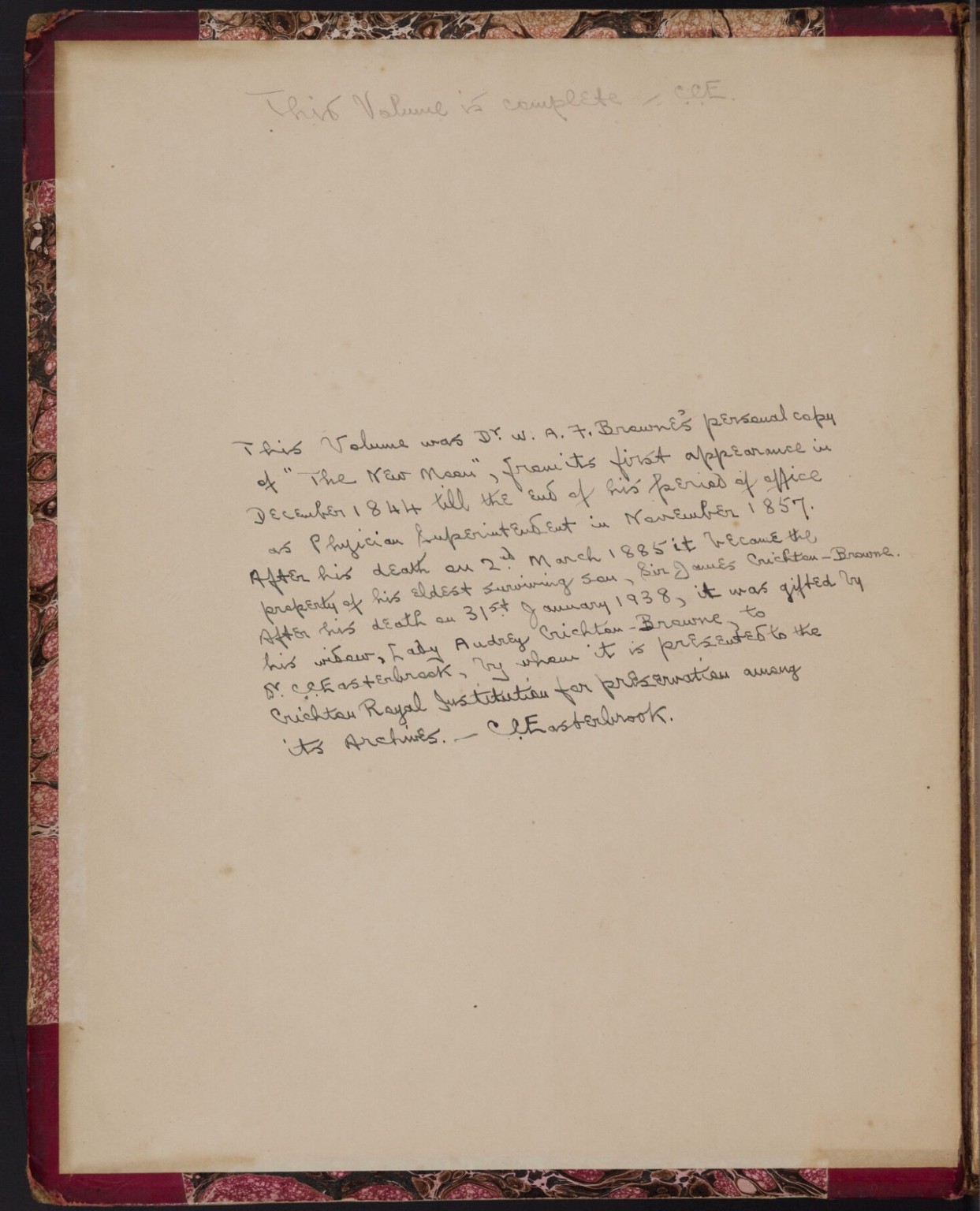
- Dr Easterbrook’s Scrapbook documents the CRI’s early years with over 600 items, including creative works by patients, programmes of events, a copy of the first patient-written library catalogue and records of the first play ever performed in an asylum by a wholly patient cast and crew – ‘Raising the Wind’ (January 1843).
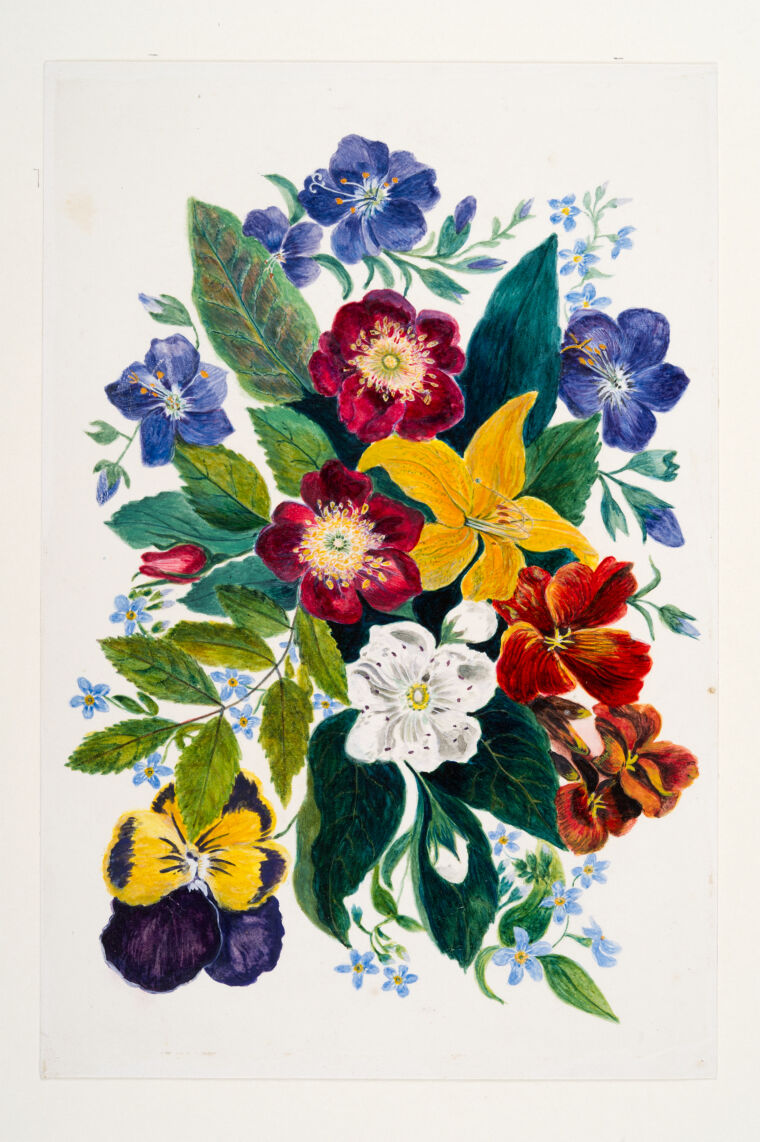
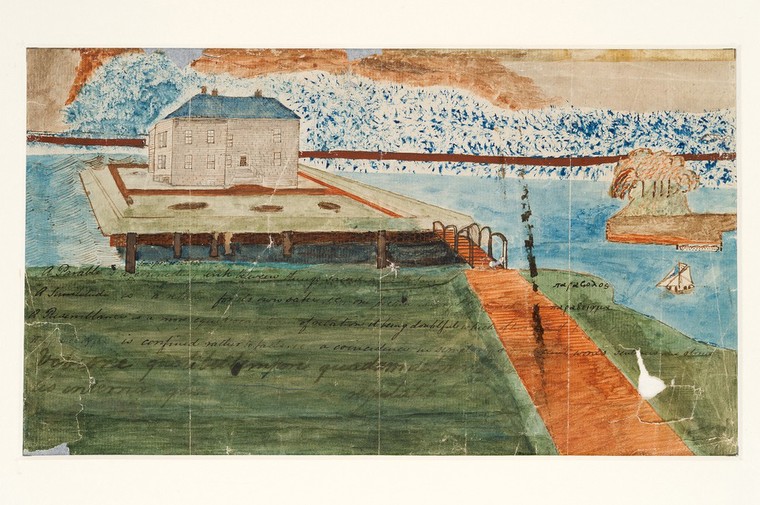
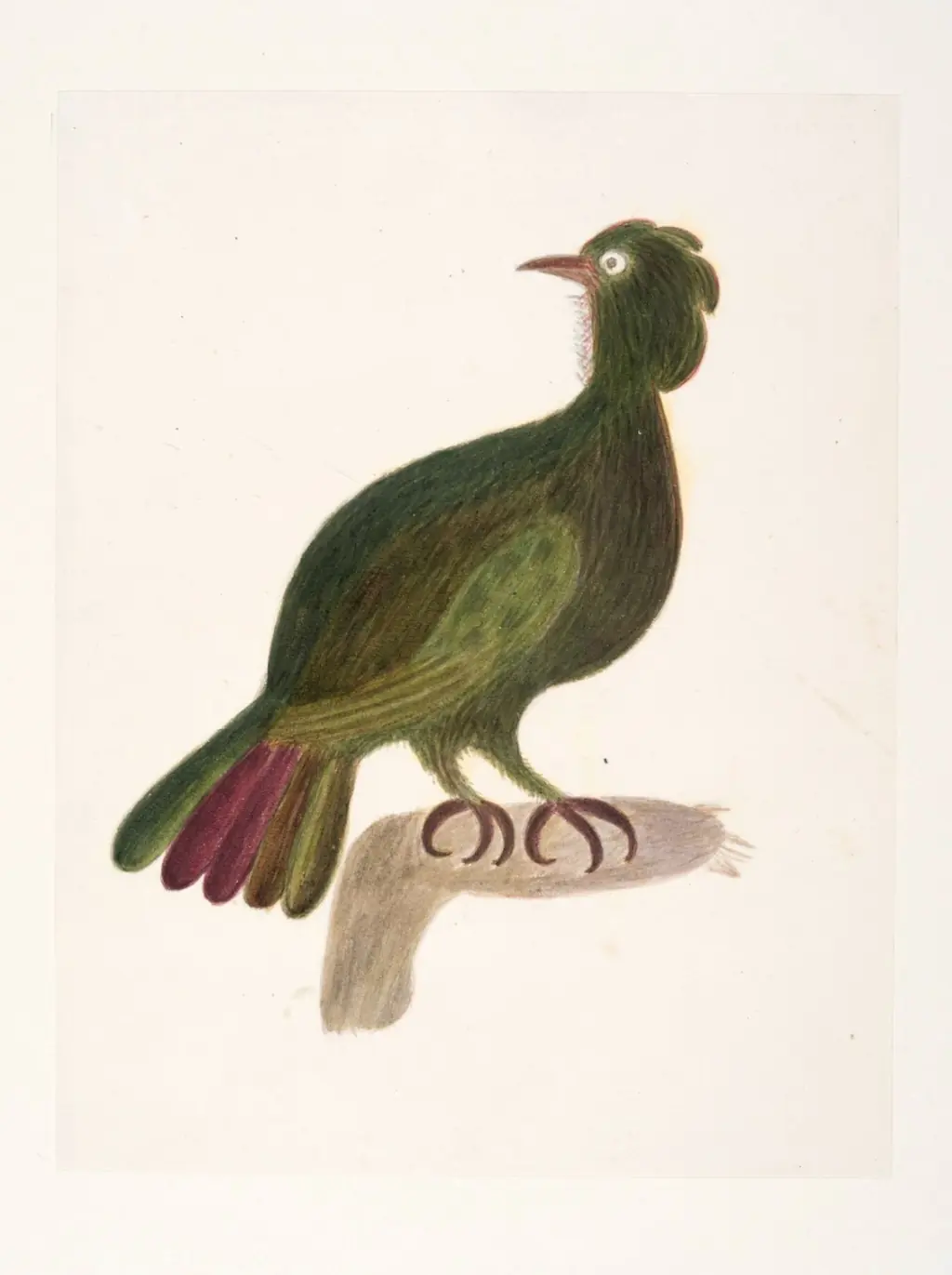
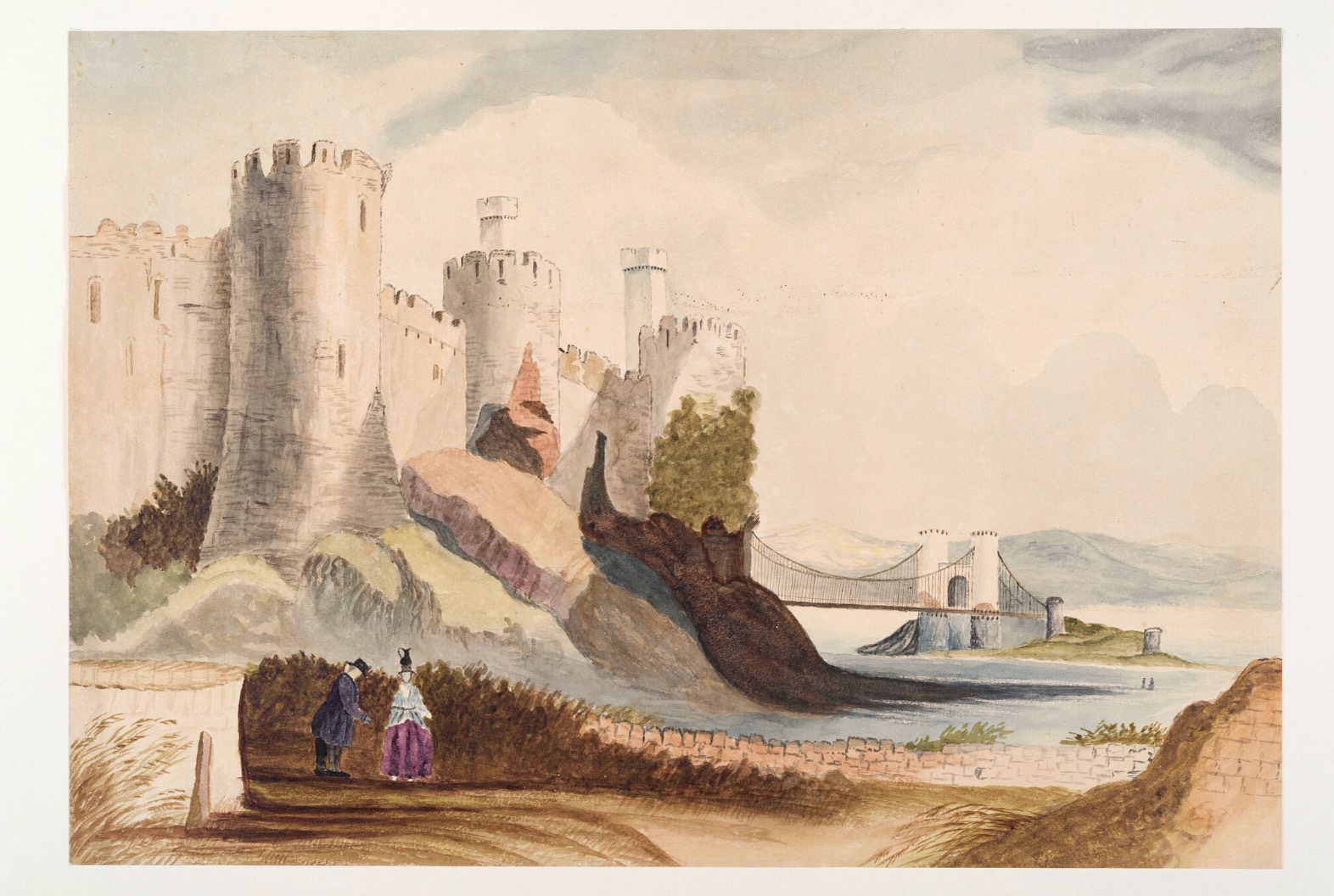
- The third set, Early Patient Artwork (1843–1867), presents vivid creative responses to mental illness and care, many of which can be cross-referenced with casebooks and annual reports, highlighting the role of art in recovery.
Together, these materials illustrate CRI’s groundbreaking regime of creative therapy – using literature, art, music and drama – in ways that were ahead of their tim
The UK’s UNESCO Memory of the World Programme celebrates the country’s most significant archival records, safeguarding them against loss, neglect and decay. The Crichton Archive joins the UNESCO Register as a recognised cornerstone of global psychiatric history and a source of vital learning for generations to come.
The archive is owned by NHS Dumfries and Galloway and is cared for by the expert team at Dumfries and Galloway Council’s Heritage Service.
Jennifer Challinor, Head of Research and Development at The Crichton Trust, said:
“We are delighted that The Crichton Royal Institution’s archive has been inscribed onto the Memory of the World Register in recognition of its historical significance. It is an honour to have our name added to other important archives on the register and to further raise the profile of the incredible history and role that The Crichton Royal Hospital has played in leading and shaping the care of people with mental illness across Scotland and the world.
“We are very proud of the multi-partnership work that led to this nomination with Dumfries and Galloway Council and The Crichton Trust working closely together over the past four years to make the case to UNESCO. This inscription reaffirms The Crichton’s international significance and its unique heritage and history, and will further help us connect people, place and the past to shape the future.”
Councillor Stephen Thompson, Dumfries and Galloway Council Leader, said:
“Recognition by UNESCO is of great significance for Dumfries and Galloway. The Crichton Archive captures a remarkable part of our region’s heritage – one rooted in individual experiences, innovation and a long-standing commitment to understanding and supporting mental health.
“These records give voice to those often left out of conventional history, and reflect the power of art, storytelling, and community in shaping how we understand mental health. They also show how creativity and culture play a role in changing our perspectives.
“We are proud that our council’s Heritage Service, working closely with NHS Dumfries and Galloway and The Crichton Trust, has helped bring this extraordinary archive to global attention. It is a powerful example of what local heritage can mean on the world stage.”
Dr Kenneth Donaldson, Interim Chief Executive of NHS Dumfries and Galloway, said:
“The Crichton Royal Institution was one of the most progressive psychiatric hospitals of its time, and its archive provides a detailed record of the treatment and care it provided, its philosophies and innovations.
“It documents the evolution of mental health care practices, including treatment methods, patient care and the changing attitudes toward mental illness over time, showing how approaches to mental health have evolved into what we now deliver today within NHS Dumfries and Galloway.
“I’m delighted that UNESCO has chosen to recognise the importance and value of the archive with inscription onto the Memory of the World register, helping to highlight this as a resource which can offer an understanding of the progress within this field.”
Rachel Hosker, Chair of the UK Memory of the World Committee, said:
“The committee felt there was strong evidence for the significance of the documentation of globally pioneering psychological and mental health care. This was further recommended by its representation of various people within a demographic of the UK who are not always represented in the record, patients, which included women and those who were not wealthy. It also clearly showed the local to global influence.”
A range of academic and clinical experts has affirmed the Crichton Archive’s significance.
Dr Maureen Park said:
“I was so delighted to lend my support to this application…[This Archive] represents a remarkably complete and meticulously detailed record of asylum life at the very beginning of the spread of moral treatment in Britain.”
Dr David Hall, retired Crichton Royal lead psychiatrist and Chair of The Crichton Trust, commented:
“The archive is a wonderful resource which, over and above a focus on W.A.F. Browne, provides an important and unequalled insight into the development of groundbreaking psychiatric practices, at a key time in their history. The archive is of huge significance and importance.”
Dr Rosemary Golding, Open University, added:
“The work undertaken at The Crichton Royal was of vital importance to the development of the arts, including music, as a part of psychiatric treatment and care during the nineteenth century. The richness of the archive, and the key position of The Crichton in nineteenth-century psychiatric history, and also of our appreciation of the role of the arts in human society.”
You can find out more about The Crichton’s unique history and The Crichton Royal’s archive here:
- Five outstanding collections join the UNESCO Memory of the World National Register
- More on The Crichton’s history
- Dumfries and Galloway Council Heritage Service
- Selected information about the archive and related catalogue resources is available through Dumfries Galloway Council’s online catalogues and resources page.
- Many of the early Hospital records are digitised and are hosted on The Wellcome Trust Collection website.


